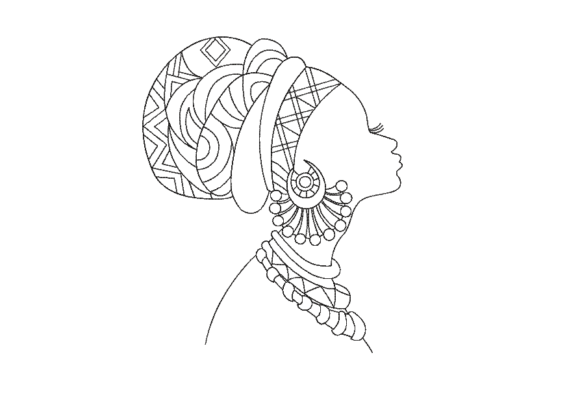
African Woman Machine Embroidery Design Review
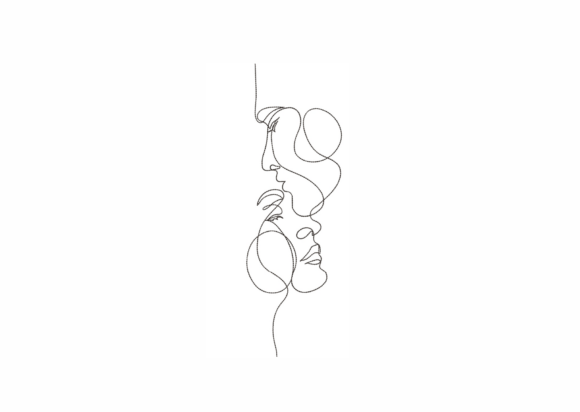
As a designer who has spent years testing digital assets for both personal craft projects and commercial apparel lines, I approach every new machine embroidery design with a critical eye. The market is flooded with generic patterns, but finding a piece that carries genuine cultural weight while remaining technically sound is rare. Recently, I evaluated the African Woman Machine Embroidery Design, a one-line digital pattern described as a superb accent for sewing projects needing a touch of African beauty. My goal was to determine if this embroidery file holds up under the scrutiny of real-world application or if it falls apart when moved from a screen to a hoop.
First Impressions: Simplicity Meets Soul
When I first loaded the preview of the African Woman Machine Embroidery Design, the immediate reaction was appreciation for its restraint. In an industry often obsessed with dense fill stitch and complex shading, this one-line approach feels refreshing. The silhouette captures the essence of traditional African aesthetics through fluid curves and minimal detailing. It does not attempt to be a photorealistic portrait; instead, it functions as a powerful graphic symbol. For anyone looking to add a statement to a custom apparel line without overwhelming the fabric, this visual personality is exactly what is needed. The mood it creates is one of elegance and strength, making it suitable for everything from high-end boutique items to heartfelt personalized gifts.
The layout is clean, which suggests excellent potential for scalability. However, the simplicity of a single line means that the quality of the running stitch execution will define the final look. There are no hidden areas to mask minor stitching errors, so precision becomes paramount. This is not a design you can rush; it demands a steady machine and careful tension settings to maintain the integrity of the woman's profile.
Real-World Application: From Tote Bags to Sweatshirts
To truly test the viability of the African Woman Machine Embroidery Design, I imagined it in a specific scenario: creating a limited run of organic cotton tote bags for a local artisan collective. These bags would serve as merchandise for a cultural festival, requiring a design that looks professional yet handmade. Placing this tote bag design on the side of a natural canvas bag allows the black thread to pop against the beige background, creating a striking contrast that draws the eye immediately.
I also considered how this would translate to sweatshirt embroidery. Imagine the design placed subtly on the left chest of a heavyweight crewneck. Because the design is a single continuous line, it avoids the bulkiness that often plagues larger patches on stretchy knit fabrics. This makes it an ideal candidate for apparel decorators who want to offer a premium feel without compromising the drape of the garment. For Etsy sellers focusing on small shop products, this versatility is a major selling point. It can easily transition from a bold statement on a denim jacket to a delicate accent on a nursery blanket, provided the scale is adjusted correctly.
For those interested in holiday embroidery or gift-giving, this design offers a unique alternative to seasonal clichés. A pillow cover featuring this motif could serve as a beautiful home decor piece that celebrates heritage year-round. Similarly, using it as an embroidered patch on a backpack or hat adds a layer of sophistication that mass-produced graphics simply cannot match. The key is recognizing that this design acts as an anchor; it grounds the product in a specific narrative of beauty and culture.
Navigating Technical Challenges and Fabric Choices
While the aesthetic appeal is strong, practical experience dictates that we must address where this design requires caution. One-line designs are notoriously sensitive to fabric texture. If you attempt to embroider the African Woman Machine Embroidery Design on a highly textured linen or a fuzzy fleece, the definition of the line may get lost in the weave. The thread might sink into the gaps rather than sitting on top, resulting in a muddy appearance. For best results, smooth cottons, silks, or tightly woven synthetics are recommended.
Fabric thickness is another critical factor. On very thin materials like chiffon or lightweight rayon, the density of even a single line can cause puckering. You must use a high-quality stabilizer to support the stitches. I always advise testing the design on scrap fabric first, especially when working with stretchy knits or layered garments. Without proper backing, the tension required to pull the thread through can distort the shape of the woman's face, ruining the symmetry.
Furthermore, consider the placement on curved surfaces like caps. While the design is flexible, the curve of a baseball cap front can sometimes warp a long, continuous line. It is essential to check the hoop size compatibility before starting. If the design exceeds the capacity of your cap hoop, you risk misalignment. Always verify the dimensions against your specific machine's capabilities. Additionally, if you plan to use this on dark fabrics, ensure your thread colors offer sufficient contrast. A white or metallic thread might work beautifully, but you will likely need a tear-away stabilizer to prevent show-through.
Design Notes for Professional Execution
For the serious craft business owner or commercial embroidery provider, here are my specific notes on maximizing the value of the African Woman Machine Embroidery Design:
- Test Stitch Density: Even though it is a one-line design, the spacing between stitches matters. Run a test to ensure there are no gaps that reveal the fabric underneath, but also avoid overlapping stitches that create thick, uneven lines.
- Mockup Strategy: Before selling finished items, create a printable mockup or a digital rendering to see how the design sits on different backgrounds. Compare light and dark fabric scenarios to help customers visualize the final product.
- Licensing Check: As with any digital embroidery file, confirm the licensing terms. Ensure you have the right to sell finished goods containing this design. Some licenses restrict commercial use or require attribution, which is vital for maintaining buyer engagement and legal compliance.
- Stabilizer Selection: Do not skip the stabilizer. For a design that relies on clean lines, a cut-away stabilizer often provides better long-term durability for items that will be washed frequently, such as baby embroidery or kitchen towels.
- Color Psychology: Experiment with thread choices. While black is classic, gold, deep red, or earth tones can enhance the cultural resonance of the design, adding significant value to the finished product.
Final Verdict on Value and Appeal
In conclusion, the African Woman Machine Embroidery Design is a versatile asset that bridges the gap between artistic expression and functional decoration. It elevates a simple handmade product into a piece of wearable art. Its ability to convey a strong message with minimal thread usage makes it efficient for production runs while retaining a bespoke feel.
However, its success relies heavily on the skill of the operator and the choice of materials. It is not a "set it and forget it" design. It rewards attention to detail, proper stabilization, and thoughtful color selection. For designers, small business owners, and makers who want to infuse their work with meaning and style, this design is a worthy addition to your library of design assets. Just remember to test thoroughly, respect the fabric, and always prioritize quality over speed. When executed correctly, this design does more than decorate; it tells a story.