Beach Bucket Embroidery Design Review
As someone who has spent years testing machine embroidery designs for both personal craft projects and commercial small business lines, I approach every new file with a critical eye. The market is flooded with generic patterns that look great in a digital preview but fall apart under the needle. When I first opened the Beach Bucket Embroidery Design, my immediate goal was to determine if it held up to the rigors of real-world stitching or if it was just another pretty picture destined for the recycle bin.
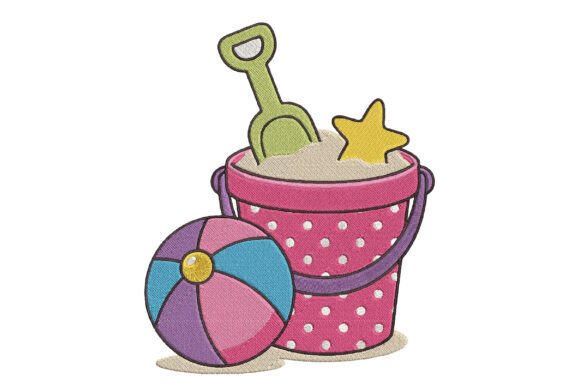
The design features a classic trio: a sand bucket, a shovel, and a beach ball. On the surface, this seems like a simple concept, but simplicity in embroidery is often where the true test lies. Does the layout balance well? Are the shapes distinct enough to survive a wash cycle? After loading the embroidery file into my software and visualizing the stitch path, my initial impression was one of cautious optimism. The mood is undeniably cheerful and nostalgic, capturing that specific essence of childhood summers. However, as an experienced designer, I know that "cute" must translate to "durable" before I can recommend it for client work or Etsy listings.
Visual Impact and Stitch Structure
When evaluating a machine embroidery design, the interplay between satin stitch and fill stitch is crucial. In the Beach Bucket Embroidery Design, the outlines appear to rely heavily on satin stitches to define the edges of the bucket and shovel. This is generally a good choice for creating crisp, defined shapes that pop against fabric. The beach ball, likely utilizing running stitches or a light fill stitch to mimic panels, adds texture without overwhelming the composition.
I appreciate how the design avoids excessive density. Many summer-themed files suffer from over-stitching, which leads to puckering, especially on lighter fabrics. If the stitch density here is moderate, it will be a breath of fresh air for decorators working with delicate materials. The visual personality feels playful yet structured. It doesn't try to do too much; instead, it focuses on clear silhouettes that remain recognizable even at smaller scales. This clarity is essential for anyone planning to use this as a tote bag design or a patch on a backpack, where visibility matters more than intricate detail.
Real-World Application Scenarios
To truly understand the value of this asset, I imagined a specific scenario: preparing a line of personalized gifts for a local boutique. Let's say we are creating custom sweatshirt embroidery for a beach-themed kids' clothing brand. The soft cotton blend of a sweatshirt requires a design that won't crack after a few washes. The rounded nature of the bucket and ball in this design suggests it would sit well on the chest area without feeling too stiff.
Alternatively, consider the application on canvas tote bags. A tote bag design needs to withstand friction and weight. The sturdy shapes of the shovel and bucket in the Beach Bucket Embroidery Design seem robust enough to handle the abrasion of daily use. For an Etsy seller looking to expand their catalog, this design offers versatility. It could easily transition from a baby embroidery project on a onesie to a decorative accent on kitchen towels or pillow covers. The theme is broad enough to appeal to parents, teachers, and gift shoppers alike, making it a strong candidate for commercial embroidery assets.
I also see potential for this as an embroidered patch. By stabilizing the back properly, these designs can be cut out and ironed onto denim jackets or hats. The distinct separation between the three elements—the bucket, shovel, and ball—ensures that even if the backing material varies, the individual icons remain legible. This modularity increases the design's utility for crafters who want to mix and match elements for unique handmade products.
Fabric Considerations and Potential Pitfalls
While the design looks promising, there are specific situations where caution is required. If you plan to use the Beach Bucket Embroidery Design on very thin fabrics like chiffon or lightweight linen, you must be strategic with your stabilizer. Without adequate support, the tension from the satin stitches could distort the weave, leading to a wavy finish that ruins the professional look.
Dark fabrics present another challenge. If the original thread colors are bright pastels, they may not show up well on navy blue or black garments without significant contrast adjustments. As a designer, I always recommend testing the design in black and white mockups first to ensure the contrast ratio works. Additionally, if you intend to place this on curved surfaces like caps, check the hoop size compatibility. Curved areas require the design to be flexible; if the stitch count is too high or the density too tight, the cap might lose its shape.
Another point to watch is the scale. While the design looks good digitally, shrinking it down for a small logo placement on a pocket or cuff might cause the details of the shovel handle or beach ball segments to blur. Always verify that the smallest elements remain visible when scaled down. Similarly, on textured fabrics like terry cloth towels, the needle must penetrate deeply enough to catch the loops without skipping stitches. A test run on scrap fabric is non-negotiable here.
Professional Tips for Implementation
If you decide to integrate the Beach Bucket Embroidery Design into your workflow, follow these practical steps to ensure a flawless finished product:
- Test on Scrap Fabric: Never skip this step. Stitch the design on a piece of the actual fabric you plan to use. Check for puckering, thread breaks, and color accuracy.
- Review Thread Colors: Adjust the palette to suit your brand or customer request. Ensure the thread colors provide enough contrast against the background fabric.
- Confirm Hoop Size: Verify that the design fits comfortably within your machine's hoop. You don't want to force a large design into a small hoop, which causes distortion.
- Inspect Small Details: Zoom in on the digital preview to ensure tiny elements like the shovel teeth or bucket handle are stitched clearly.
- Check Licensing: Before selling any items featuring this design, confirm the license terms. Ensure you have the right to sell finished goods or digital files if you are reselling the pattern itself.
- Use Proper Stabilizer: Match the stabilizer weight to the fabric type. Tear-away is usually best for stable fabrics, while cut-away works better for stretchy materials.
Final Verdict on Commercial Viability
In the world of digital embroidery files, finding a design that balances aesthetic charm with technical reliability is rare. The Beach Bucket Embroidery Design succeeds by keeping the focus on recognizable, fun shapes that translate well across various mediums. Whether you are a hobbyist making holiday gifts or a small shop owner building a summer collection, this design offers a solid foundation.
It enhances the visual appeal of any item it adorns, adding a touch of professionalism and thoughtfulness. Customers appreciate the care taken in selecting designs that look good and last long. By using this design correctly—with attention to fabric choice, stabilization, and scaling—you can create personalized gifts and merchandise that stand out in a crowded market. It is a versatile asset that, when handled with skill, can significantly boost buyer engagement and brand consistency for any creative entrepreneur.