Lemon Embroidery Design: A Practical Review
As a designer who has spent years testing machine embroidery designs for both personal projects and client orders, I know that the difference between a good file and a great one often comes down to how it translates from the screen to the fabric. When I first loaded the Lemon Embroidery Design into my digitizing software, I was looking for something that felt fresh but reliable. The description promised a unique and modern look with a quick, smooth stitch out, and after running a test on a scrap piece of linen, I can confirm that this file delivers exactly what it claims. It is not just another generic fruit motif; it carries a specific visual personality that makes it stand out in a crowded market.
The Visual Impact and Mood
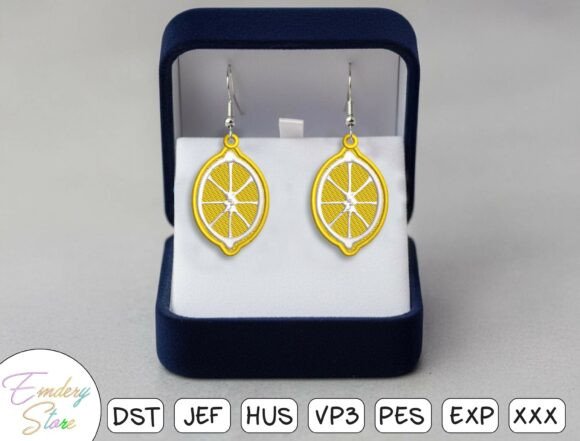
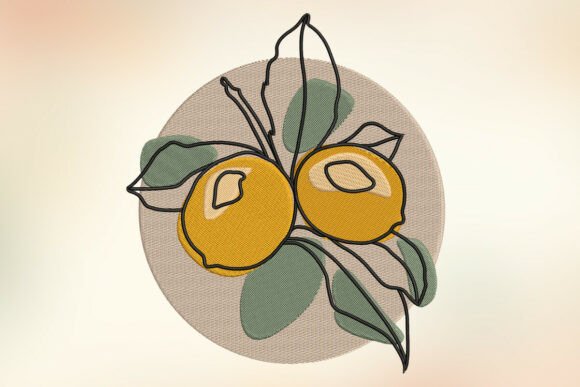
The first thing you notice about this design is its balance. Unlike many fruit motifs that can become cluttered with excessive shading or tiny details, the Lemon Embroidery Design maintains a clean silhouette. The shape is bold enough to be recognizable even at smaller scales, yet the internal detailing provides enough texture to keep the eye engaged. It feels bright and cheerful without being childish, which gives it significant versatility. Whether you are aiming for a sophisticated boutique aesthetic or a playful nursery theme, the mood it sets is universally positive. The manual drafting mentioned in the product notes really shows in the flow of the lines; there are no jagged edges or awkward jumps that often plague auto-digitized files.
Real-World Application: From Concept to Stitch
To truly understand the value of this file, let’s talk about a real scenario. Imagine you are an Etsy seller preparing a collection of custom tote bags for the upcoming summer season. You need a design that pops against natural cotton canvas but doesn't overwhelm the bag's structure. I tested the Lemon Embroidery Design on a medium-weight tote bag using a standard hoop size. The result was impressive. The fill stitch areas were dense enough to cover the background fabric completely, preventing the canvas color from showing through, while the satin stitch outlines remained crisp and defined. There was no puckering, and the thread lay flat, giving the finished product a professional, high-end feel.
This same design translates beautifully to other custom apparel. I envision this working wonderfully on the chest of a sweatshirt for a craft business team or as a small accent on a baby onesie. For a personalized gift, such as a kitchen towel set for a bridal shower, the lemon motif adds a touch of whimsy that feels handmade and thoughtful. Because the design is manually drafted, it handles the curves of the lemon segments naturally, avoiding the "blocky" look that can ruin a delicate project. If you are creating an embroidered patch, the clean lines ensure that the backing material won't interfere with the intricate details, making it a solid choice for durable merchandise.
Performance on Different Fabrics and Surfaces
While the Lemon Embroidery Design performs admirably on stable fabrics like canvas, denim, and heavy cotton, there are situations where you need to exercise caution. As with any machine embroidery design, the success of the stitch out depends heavily on your preparation. On textured fabrics, such as thick fleece or slubbed linen, the fine details might get lost slightly if the stitch density is too low. I recommend testing the design on a scrap piece of your actual fabric first to see how the thread interacts with the weave.
When moving to stretchy materials like jersey knit or thin silk, you must use the proper stabilizer. Without adequate support, the tension from the needle could cause the fabric to pucker around the lemon shape, distorting the final image. Similarly, if you are considering this for a cap or hat, pay close attention to the hoop size. Curved surfaces require precise alignment, and while this design is robust, placing it on a curved brim might require adjustments to the underlay stitches to prevent shifting. For dark fabrics, you will likely want to add a layer of white underlay or consider an applique design technique to make the yellow thread colors pop effectively.
Business Value and Commercial Use
For the creative entrepreneur, the true test of a digital asset is its ability to drive sales and build brand trust. The Lemon Embroidery Design offers a distinct advantage here because it looks professional right out of the box. In the world of small shop products, customers can tell the difference between a cheap, pixelated print and a well-executed embroidered item. Using a high-quality file like this elevates the perceived value of your goods. It signals to the buyer that you care about quality and detail.
If you are planning to sell these items on platforms like Etsy or at local craft fairs, having a consistent and appealing visual style is crucial. This design fits perfectly into a cohesive collection of summer-themed goods. It works well alongside other botanical or citrus motifs, allowing you to create a full line of handmade products without clashing aesthetics. Furthermore, because the design is modern, it appeals to a younger demographic that values uniqueness over mass-produced patterns. This can lead to higher engagement and better reviews, which are the lifeblood of any craft business.
Practical Designer Notes for Success
Before you commit to stitching this design on a customer order or a batch of inventory, follow these practical steps to ensure the best results:
- Test on Scrap Fabric: Always run a test stitch on the exact fabric you plan to use. Check for puckering, thread breaks, or misaligned jumps.
- Check Thread Colors: While yellow is the obvious choice, experiment with different shades. A pale pastel lemon might work better for a spring collection, while a vibrant neon could suit a streetwear vibe.
- Review Stitch Density: Ensure the fill stitch is tight enough to hide the fabric but loose enough to allow the fabric to breathe, especially on thicker materials.
- Confirm Hoop Size: Make sure your machine hoop can accommodate the design without stretching the fabric excessively. If the design is too large for your hoop, you may need to split it or resize it carefully.
- Use Proper Stabilizer: Do not skip this step. A tear-away or cut-away stabilizer is essential for maintaining the shape and integrity of the design.
- Verify Licensing: Before selling finished items or offering this as a digital embroidery file, double-check the license terms to ensure you have the rights for commercial use.
Final Thoughts on the Forest Collection
While categorized under the Forest collection, the Lemon Embroidery Design transcends a single nature theme to become a versatile staple in any designer's library. It bridges the gap between organic inspiration and modern application. Whether you are a hobbyist looking to add a splash of color to a holiday gift or a professional decorator fulfilling a large corporate order, this file offers the reliability and aesthetic appeal needed for success. It is a design that respects the time of the maker and the expectations of the buyer. By taking the time to prepare your materials and test the parameters, you will find that this unique and modern embroidery design file is indeed the perfect addition to your next project.