Sea Urchin Embroidery: A Designer's Craft Fair Review
As an experienced embroidery designer who has spent countless weekends setting up booths at local craft fairs and managing a busy handmade shop, I know that the difference between a design that gathers dust and one that sells out in an hour often comes down to visual impact and practical application. Today, I am reviewing the Sea Urchin Embroidery digital file to determine if it is a viable asset for your next collection of handmade products. This review focuses on how this specific machine embroidery design translates from a screen to a physical product that customers want to touch and buy.
First Impressions: Coastal Charm Meets Modern Texture
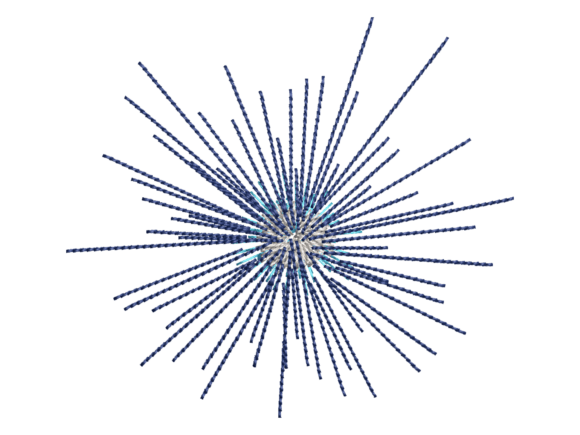
When I first loaded the Sea Urchin Embroidery file into my software, the immediate impression was one of structured elegance. Unlike some overly complex marine designs that can look messy when stitched, this piece feels bold yet balanced. It strikes a perfect chord between a whimsical, cute aesthetic and a more sophisticated, modern farmhouse vibe. The geometric spines of the sea urchin create a natural texture that mimics the organic feel of hand-stitched work, which is a huge selling point for boutique makers and Etsy sellers looking to elevate their brand consistency.
In the world of Fish and ocean-themed decor, many designs lean too heavily on cartoons or realistic paintings that lose definition on fabric. This Embroidery design avoids that trap. It uses clean lines and distinct shapes that promise to stand out against various fabric textures. For a craft fair booth, where you have seconds to catch a passerby's eye, this clarity is essential. It does not scream "novelty"; instead, it whispers "quality," making it an excellent candidate for premium handmade goods.
Product Versatility: Where Does It Shine?
The true test of any digital embroidery file is its versatility across different substrates. Here is how I envision the Sea Urchin Embroidery performing on specific items for your inventory:
- Tote Bags and Market Bags: This design is a natural fit for canvas tote bags. The sturdy nature of the urchin shape holds up well on heavy cotton, and the coastal theme aligns perfectly with the eco-friendly, beachy lifestyle of tote bag buyers. A large version centered on a natural beige bag would be a standout craft fair product.
- Apron Embroidery: Kitchen aprons are high-traffic items in my shop. Placing this design on the bib of a linen or denim apron adds a unique character without being overwhelming. It works beautifully as a focal point, suggesting a love for the ocean while maintaining a professional, chef-ready look.
- Tea Towel Embroidery: Textured towels can sometimes be tricky, but the defined edges of the sea urchin cut through the weave effectively. This creates a lovely contrast between the soft terry cloth and the crisp thread work, making these tea towels ideal giftable handmade items.
- Embroidered Patches and Caps: For smaller applications, the design scales down surprisingly well. As an embroidered patch, it could be sewn onto denim jackets or backpacks. On curved cap surfaces, the round shape of the urchin complements the brim, offering a stylish alternative to standard text-based hats.
- Pillow Covers and Small Pouches: These are excellent for adding variety to your booth display. A small pouch with a subtle Sea Urchin accent feels like a luxury accessory, while a pillow cover allows for a larger, bolder statement piece that draws attention from across the room.
Production Reality: Practicality for Batch Making
For small shop owners and creative entrepreneurs, time is money. When preparing for a weekend market, efficiency is key. The Sea Urchin Embroidery appears to be highly repeatable for batch production. Because the design relies on shape rather than tiny, intricate details, it reduces the likelihood of thread breaks or misaligned stitches during long runs. This reliability means you can produce a consistent line of finished products without constant machine intervention.
However, there are critical considerations regarding stitch density and thread colors. While the design looks great digitally, dense areas may require careful stabilizer selection to prevent puckering, especially on thinner fabrics like tea towels. I always advise testing the design on scrap fabric first to ensure the back of the stitching is as clean as the front. Additionally, the choice of thread colors will drastically alter the mood. Soft pastels might make it feel delicate and feminine, while deep navy or charcoal threads could give it a rugged, nautical edge suitable for men's accessories.
Visual Appeal and Customer Engagement
In a crowded marketplace, your booth display must tell a story. The Sea Urchin Embroidery offers a strong visual anchor. Its organic geometry stands out against the straight lines of most other home goods. When photographed for online listings or printable mockups, the texture of the embroidery adds depth that flat prints cannot achieve. This tactile quality is what drives buyer engagement; customers want to feel the raised stitches, which increases the perceived value of the item.
For the Etsy seller, this design provides excellent opportunities for branding. You can use the same motif across different product categories to create a cohesive "Coastal Collection." Whether it is on a cap, a towel, or a patch, the recurring image builds brand recognition. Furthermore, because it is a digital product, you have the flexibility to experiment with different hoop sizes and placements without the cost of physical inventory waste.
Designer Notes for Success
To ensure your finished product meets professional standards, follow these practical steps before committing to a full production run:
- Test on Scrap Fabric: Always stitch a sample on the exact material you plan to sell. Check for puckering, especially on textured towels or thick canvas.
- Verify Hoop Size: Confirm that the design fits within your available hoops. If the file requires a larger hoop than you own, you may need to resize it, which can affect detail.
- Check Stabilizer Needs: Dense areas of the urchin spikes may require a tear-away or cut-away stabilizer to maintain shape and prevent distortion.
- Review Thread Contrast: Ensure the thread color contrasts sufficiently with the fabric. Dark fabrics may require lighter threads to keep the details visible.
- Create Real Mockups: Do not rely solely on digital previews. Create at least one real mockup to photograph for your listings. This helps customers visualize the scale and texture.
- Confirm Licensing: Remember that this is a digital product delivered in ZIP or RAR format. Instant download after purchase means no returns or refunds for digital products. However, always double-check the commercial licensing terms included with the file to ensure you are permitted to sell the finished embroidered items.
Final Verdict for the Handmade Entrepreneur
The Sea Urchin Embroidery is a robust addition to any maker's library. It balances artistic appeal with the practical demands of machine embroidery. It is not just a pattern; it is a tool for creating high-value, desirable items that resonate with the current trend toward coastal living and artisanal craftsmanship. Whether you are stocking shelves for a seasonal pop-up or expanding your Etsy catalog, this design offers the potential to become a bestseller. By paying attention to fabric choice, thread selection, and proper stabilization, you can transform this digital file into a tangible success story for your business.